


Wooden Toys vs Plastic: Why Natural Materials Matter in the Tropics
Posted by BALI BUBS KIDS CONCEPT STORE
Wooden Toys vs Plastic: Why Natural Materials Matter in the Tropics
In Bali's heat and humidity, the choice between wooden and plastic toys isn't just about sustainability — it's about safety, comfort, and creating the best play experience for your children.
The Tropical Toy Dilemma
Picture this: it's 2 PM in Bali, 32°C with 80% humidity. Your toddler reaches for their favourite toy car. If it's plastic, it's uncomfortably hot and may have developed a musty smell from trapped moisture. If it's wooden, it feels naturally cool and pleasant in their little hands.
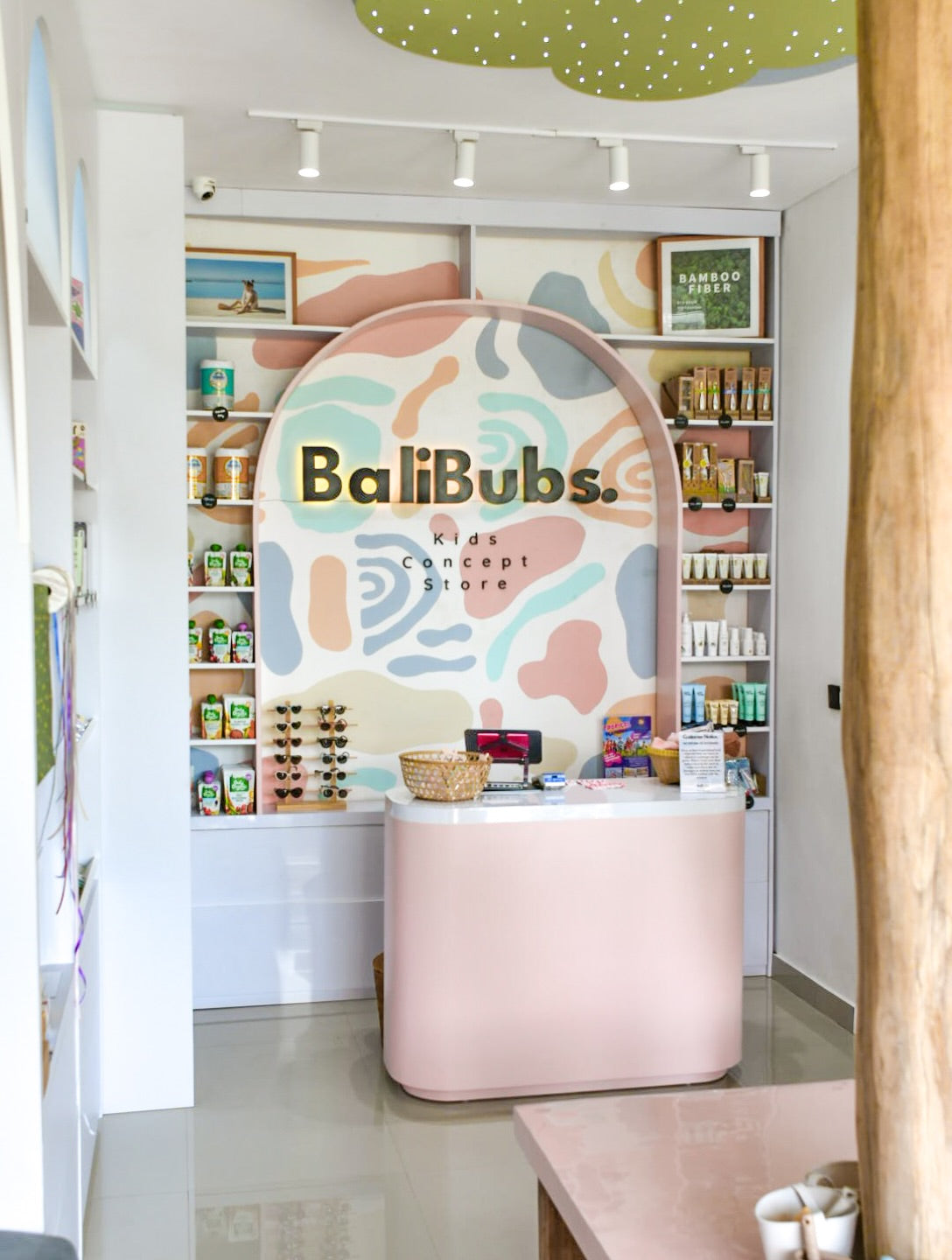
This scenario plays out daily in tropical homes, yet many parents don't realise how dramatically climate affects toy choice. As Bukit's first eco kids store, we've seen firsthand why wooden toys aren't just an eco-friendly choice — they're the smart choice for tropical living.
Browse our full Wooden Toys collection →
🌡️ Temperature: The Comfort Factor
Why Plastic Toys Become Unbearable
In Bali's intense sun and heat, plastic toys can become:
- Too hot to handle — reaching temperatures that can burn sensitive skin
- Uncomfortable to play with — creating negative associations with playtime
- Warped or damaged — cheap plastics lose shape in extreme heat
- Smelly — off-gassing increases with temperature
Wooden Toys Stay Naturally Cool
Wood has natural insulating properties that:
- Regulate temperature — never too hot or too cold to touch
- Provide consistent comfort — pleasant feel regardless of weather
- Maintain structural integrity — won't warp or melt in heat
- Age beautifully — develop character rather than degrading
Real example: Our handcrafted rattan cars by Billie's stay cool even when left in direct sunlight, while plastic cars become too hot for children to touch.
💧 Humidity: The Hidden Challenge
Plastic's Moisture Problem
Bali's high humidity creates serious issues with plastic toys:
- Mold growth in hollow spaces and crevices
- Bacterial buildup in areas that can't be properly dried
- Trapped moisture leading to unpleasant odors
- Degraded materials as humidity breaks down certain plastics
Wood's Natural Advantages
Quality wooden toys excel in humid conditions:
- Natural antimicrobial properties — many woods resist bacteria
- Breathable material — allows moisture to evaporate
- Easy to clean and dry — solid construction prevents moisture trapping
- Improved with age — humidity can enhance wood's natural patina
🌿 Health & Safety in Tropical Conditions
Chemical Concerns Amplified by Heat
Hot, humid conditions increase the risks associated with plastic toys:
- Accelerated off-gassing of chemicals like BPA, phthalates, and PVC
- Increased skin absorption when toys are warm and children are sweating
- Chemical breakdown creating new compounds in extreme conditions
- Allergic reactions more common when chemical exposure is heightened
Wood's Pure Safety Profile
Natural wooden toys offer peace of mind:
- No chemical off-gassing — especially important in closed, air-conditioned spaces
- Naturally hypoallergenic — fewer reactions and sensitivities
- Non-toxic finishes — quality wooden toys use food-safe oils and waxes
- Safe for mouthing — babies can safely mouth well-finished wooden toys; always supervise
🔒 Safety Guidance: What to Check Before You Buy
When choosing any wooden toy, look for these practical safety indicators:
- Smooth, splinter-free surfaces — run your hand over all edges before giving to a child
- Secure joinery — no loose pegs, nails, or parts that could detach
- Food-safe finish — confirm finishes use natural oils, beeswax, or water-based, non-toxic paint
- Age-appropriate size — avoid small parts for children under 3 to reduce choking risk
- Regular inspection — check for cracks or splinters after rough play and sand lightly if needed
Note: We describe our toys' materials and finishes accurately but do not make specific certification claims. If a certification is important to you, please contact us and we'll provide the supplier details.
👶 Age Range Guide
Different wooden toys suit different developmental stages. Here's a general guide:
- 0–12 months: Large, smooth grasping toys and teethers with natural-oil finishes only
- 1–2 years: Push-pull toys, stackers, simple shape sorters — chunky pieces with no small parts
- 2–4 years: Role-play sets (cooking, tools), vehicles, and block sets — introduces imaginative play
- 4+ years: Puzzles, building sets, and craft kits — finer motor skill development
Find age-appropriate wooden toys in our collection →
🧸 Developmental Benefits Enhanced
Sensory Development
Wooden toys provide superior sensory experiences in tropical climates:
- Natural textures that don't become sticky or uncomfortable
- Pleasant tactile feedback — wood feels good against sweaty palms
- Authentic weight and balance — helps develop proprioception
- Natural grain variations that stimulate touch receptors
Imaginative Play
The simplicity of wooden toys encourages creativity:
- Open-ended design — no batteries or predetermined functions
- Timeless appeal — don't become outdated like electronic toys
- Multi-generational use — can be passed down through families
- Cultural connection — especially meaningful with local Bali artisan-made toys
🌍 Environmental Impact in Paradise
Plastic's Tropical Toll
In a place as beautiful as Bali, plastic toys create serious environmental concerns:
- Ocean pollution — plastic toys often end up in waterways
- Landfill burden — don't biodegrade in tropical conditions
- Wildlife hazard — broken plastic pieces harm local animals
- Tourism impact — plastic waste affects Bali's natural beauty
Wood's Sustainable Story
Choosing wooden toys supports environmental health:
- Biodegradable — return to earth naturally at end of life
- Carbon storage — wood continues to store carbon throughout its use
- Renewable resource — when sourced responsibly
- Local economy support — especially when buying from Bali artisans
🎨 Our Local Artisan Advantage
Why Bali-Made Wooden Toys Excel
At Bali Bubs, we work with talented local artisans who understand tropical conditions:
- Climate-tested designs — created by people who live here
- Appropriate wood selection — using species that thrive in humidity
- Traditional techniques — time-tested methods for tropical durability
- Cultural authenticity — toys that reflect Balinese values and aesthetics
Featured Artisan Creations
Wooden Veggies Set by Lettering Life (Rp 200,000)
- Crafted from sustainably-sourced hardwood
- Food-safe finishes — suitable for teething with supervision
- Educational and imaginative play value
- Naturally antimicrobial properties
Rattan Cooking Set (Rp 370,000)
- Complete kitchen play set in natural materials
- Lightweight yet durable construction
- Easy to clean and maintain
- Encourages healthy play habits
Shop all wooden & rattan toys at Bali Bubs →
🧹 Cleaning & Care in the Tropics
Wooden toys require slightly different care than plastic — especially in humid Bali conditions:
- Wipe, don't soak — use a damp cloth with mild soap; avoid submerging in water
- Dry immediately — air-dry in a well-ventilated area, not in direct sun for prolonged periods
- Condition periodically — apply a small amount of food-safe coconut or beeswax oil every few months to prevent cracking
- Treat mold early — if mold appears, wipe with a diluted white vinegar solution and dry thoroughly
- Sand lightly if needed — fine-grit sandpaper (220+) smooths any rough spots and can refresh the surface
📦 Storage Tips for Humid Climates
Where and how you store wooden toys matters in Bali's climate:
- Choose breathable storage — open baskets, rattan bins, or cotton bags rather than sealed plastic tubs
- Avoid damp corners — keep toys away from bathroom-adjacent walls or areas with poor air circulation
- Elevate off the floor — shelves or raised baskets reduce moisture contact
- Keep in air-conditioned rooms when possible to reduce humidity exposure overnight
- Rotate toys regularly — airing out unused toys prevents moisture build-up
💰 Cost Analysis: Long-Term Value
Initial Investment vs. Lifetime Value
While wooden toys may cost more upfront:
- Durability — last for decades with proper care
- Multi-child use — can be shared among siblings
- Resale value — quality wooden toys retain worth
- Heirloom potential — can be passed to the next generation
Ready to Make the Switch?
Natural materials aren't just beautiful — they're the practical, safer choice for children growing up in the tropics. Whether you're starting a collection or looking for a thoughtful gift, our curated range has something for every age and play style.
